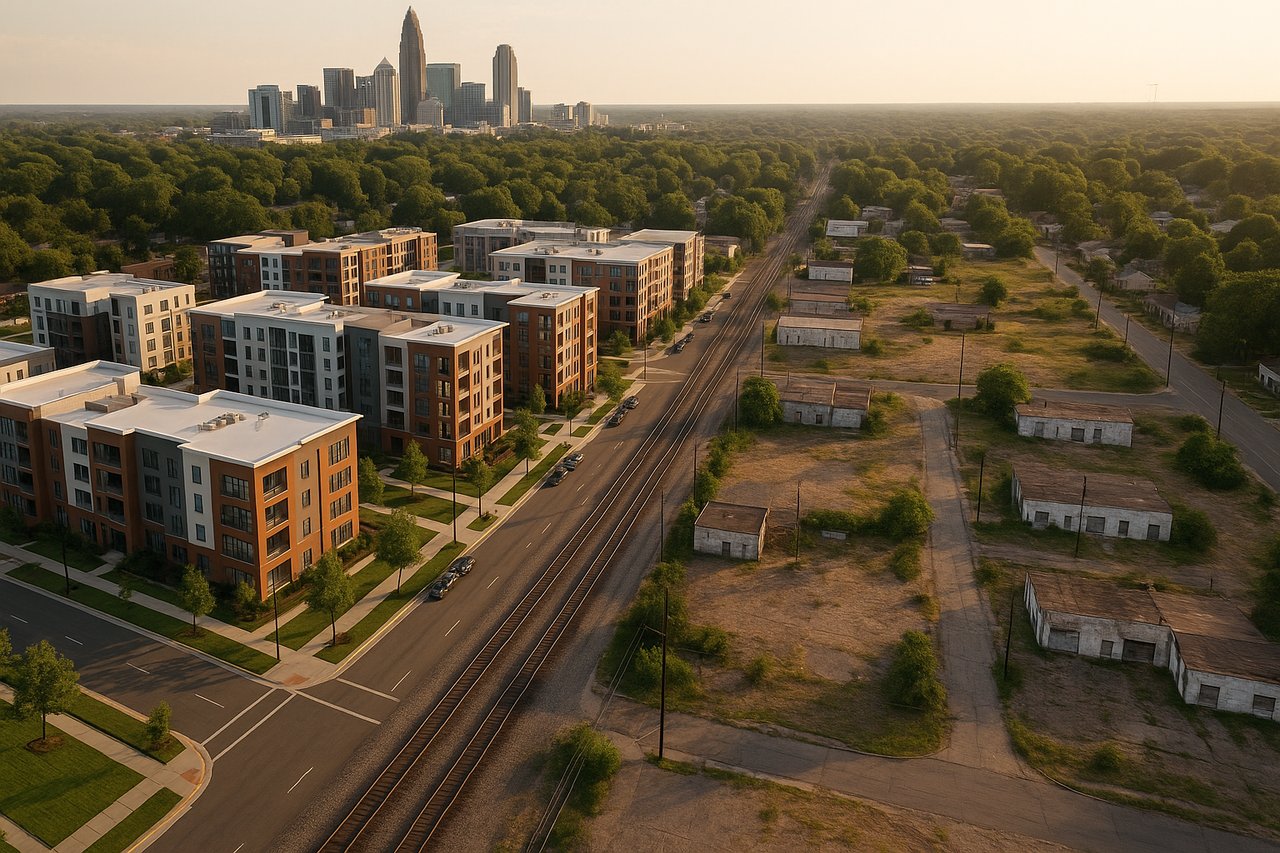
Brownfield Redevelopment: Impact on Charlotte Neighborhoods
Brownfield redevelopment in Charlotte has transformed contaminated, underused properties into productive spaces, boosting property values, creating jobs, and revitalizing neighborhoods. However, this market-driven approach has concentrated benefits in higher-income areas, leaving distressed communities with fewer gains. Key takeaways include:
-
Economic Growth: Projects like the South End redevelopment attracted over $800 million in investments and created thousands of jobs.
-
Health Improvements: Cleanup efforts have reduced contamination, preventing health risks and saving millions in healthcare costs.
-
Challenges: High cleanup costs, regulatory hurdles, and uneven investment distribution have limited progress in lower-income areas.
-
Future Goals: Charlotte must focus on equitable redevelopment, balancing economic benefits with community needs.
Charlotte’s success with programs like the South End highlights the potential of brownfield redevelopment but underscores the need for broader community inclusion and targeted investments.
Charlotte's Brownfield Redevelopment Programs and Strategies
Charlotte’s approach to brownfield redevelopment is a blend of federal support, state incentives, and a market-driven strategy. This balance allows public resources to work alongside private sector investments, shaping which neighborhoods see the most benefits from redevelopment efforts.
EPA and Local Incentives
Charlotte’s brownfield initiative gained momentum through federal support, particularly the EPA pilot program. This program proved that contaminated sites could be turned into valuable properties, easing concerns for private developers.
North Carolina also stepped in with property tax breaks, making these projects more financially appealing. These incentives were crucial in covering the higher upfront costs of environmental testing and cleanup - expenses that greenfield developments don’t face. Together, federal grants and state tax relief created an environment where developers could pursue these projects without fearing financial losses.
The results were quick to surface. By the end of 2004, 39 properties in Charlotte had signed or were negotiating brownfield agreements. Across the state, North Carolina’s brownfields program spurred over $30 billion in private investment. One standout example was the Carolina Panthers stadium project in 1994, which highlighted how public resources could yield significant returns. The city gained $4.8 million while reclaiming prime downtown land for the tax roll.
With this financial groundwork established, Charlotte let market forces steer the selection of redevelopment sites.
Market-Driven Site Selection
Charlotte’s method for choosing brownfield sites stands out. Instead of focusing on the most contaminated or struggling areas, the city relied on market forces to guide redevelopment. Developers picked sites based on profitability rather than the urgency of community needs.
Tom Warshauer, Director of Charlotte’s Economic Development Office, noted that the South End was identified as a prime area for demonstrating Transit Oriented Development (TOD) and mixed-use, high-density projects (MUDD). The South End’s proximity to uptown, the Carolina Panthers stadium, and affluent neighborhoods made it an ideal candidate for rapid real estate growth once liability concerns were addressed by state legislation.
This market-driven approach led to predictable outcomes. Developers favored brownfields in higher-income neighborhoods, where profits and returns on investment were more certain. Meanwhile, areas facing significant health or crime issues were often overlooked, even though they might benefit the most from redevelopment. Charlotte’s "City within a City" (CWAC) data divides neighborhoods into "stable", "transitioning", and "fragile" categories. Investments have tended to concentrate in stable and transitioning areas, leaving fragile neighborhoods behind.
This strategy differs from many other cities, where redevelopment efforts often target the most polluted sites, regardless of market potential. While Charlotte’s approach has spurred significant activity, the benefits haven’t been evenly spread across all communities.
Charlotte’s relatively mild contamination levels also made this strategy feasible. Unlike older industrial cities in the Northeast and Midwest, Charlotte’s brownfields are less polluted. Combined with rapid population and economic growth, the city faced pressure to redevelop abandoned urban spaces to slow urban sprawl and encourage smarter growth. Developers were confident that cleaned-up sites would quickly attract buyers or tenants, reducing financial risks.
Charlotte’s brownfield program aims to balance market priorities with public benefits. The city’s goals include creating jobs, boosting the tax base, eliminating health and safety risks, promoting smart growth, and enhancing the quality of life in areas with brownfield sites. These efforts align with Charlotte’s broader strategy to manage growth and curb sprawl, using brownfield redevelopment as a tool for sustainable urban development.
Case Studies: Charlotte Brownfield Redevelopment Projects
Charlotte’s approach to brownfield redevelopment has brought visible improvements to both the urban landscape and local neighborhoods. These projects have not only boosted the economy but also enriched the community in meaningful ways.
South End Transformation
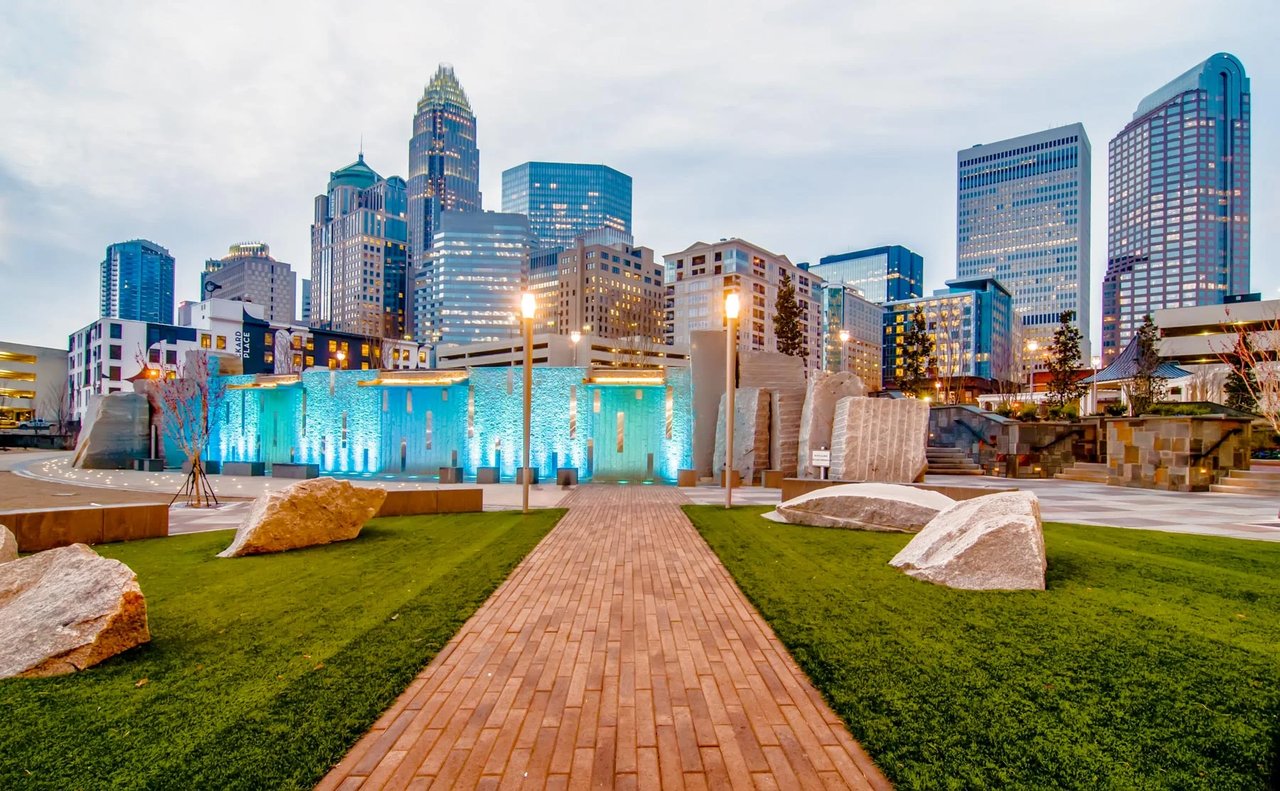
The South End is Charlotte’s standout example of brownfield redevelopment. Back in the mid-1990s, this area, located just south of uptown Charlotte, became the city’s first major brownfield project. Its prime location - nestled between the downtown business district and affluent neighborhoods - set the stage for a remarkable turnaround.
Today, the South End boasts $800 million in new investments and is home to 386 businesses employing thousands of people. This success was largely driven by its proximity to key landmarks like the Carolina Panthers stadium, which helped attract real estate interest. State legislation addressing liability concerns further encouraged developers to dive in.
Spanning nine sites and accounting for nearly 25% of Charlotte’s entire brownfields program, the South End has become a symbol of what’s possible with strategic redevelopment. One standout example is Camden Square, a design center featuring studios, showrooms, and offices. Built on a former industrial site, this project alone saw private investments topping $15 million.
The South End’s success didn’t just stay local - it spurred interest across the city. By the end of 2004, developers had signed or were negotiating brownfield agreements on 39 properties citywide. While these projects often require higher upfront costs, the combination of proven profitability and state property tax incentives made them an attractive investment.
While the South End represents large-scale transformation, smaller projects across Charlotte highlight the broader potential of brownfield redevelopment.
Smaller Neighborhood Projects
Beyond flagship efforts like the South End, Charlotte has embraced smaller-scale brownfield projects that bring targeted improvements to neighborhoods. Over time, the city’s brownfield program expanded to include 76 projects across various areas.
To guide these efforts, Charlotte established clear criteria for selecting brownfield sites. Sites had to meet eligibility requirements under EPA grant guidelines and be hindered by suspected contamination, posing challenges to redevelopment. The Triangle J Regional Brownfields Program even created a detailed database of confirmed and potential sites across the region.
Charlotte’s relatively mild contamination levels compared to older industrial cities made smaller projects more financially viable. Additionally, the high demand for land in the growing Charlotte metro area motivated developers to consider neglected and underused properties.
Mayor Pat McCrory once estimated that Charlotte had more than 1,000 potential brownfield sites, signaling a wealth of untapped opportunities for future projects.
The economic ripple effects of these cleanups are significant. For example, brownfield remediation in Charlotte has an estimated economic benefit of $7.59 million in averted cancer deaths. And that’s just the tip of the iceberg - it doesn’t account for the prevention of non-fatal illnesses or long-term health issues, which add even more value to these efforts.
On a broader scale, North Carolina’s brownfield program showcases the statewide impact of such initiatives. Across the state, completed brownfield agreements have driven over $25 billion in private investment, covering more than 500 sites. Charlotte has played a major role in this success, demonstrating how local projects can contribute to a larger movement of urban renewal.
Impact on Charlotte Neighborhoods: Property Values and Community Development
Charlotte's efforts to transform brownfields into productive spaces have brought notable financial and community changes. However, these initiatives also raise questions about who benefits most from this progress.
Property Value Increases and Real Estate Trends
The financial returns from brownfield remediation in Charlotte have been impressive. For example, the city spent $1.8 million to clean up about four acres of land for the Carolina Panthers stadium. Later, they sold the property for $4.8 million, more than doubling its value. This success highlights how cleanup efforts can significantly boost land prices.
The South End neighborhood is a prime example of this trend. Situated between Charlotte's business district and affluent residential areas, the South End saw property values soar after the North Carolina Brownfields Property Reuse Act eased liability concerns for developers. Its strategic location made it a magnet for investors eager to capitalize on rising real estate values.
Charlotte's approach to selecting brownfield sites has played a key role in shaping these outcomes. Instead of prioritizing the most environmentally hazardous sites, the city allowed market demand to guide redevelopment efforts. As a result, projects often focused on higher-income areas with strong potential for property appreciation.
Even though cleaning up brownfields costs nearly six times more than developing greenfield sites, the existing infrastructure and strong government backing make these investments worthwhile. Charlotte's booming population and economy further fueled demand for land, encouraging developers to see underutilized sites as opportunities despite the higher upfront costs.
Community Development Benefits
Redeveloping brownfields has brought new life to Charlotte's neighborhoods. Take Camden Square in the South End, for instance. This former industrial site was transformed into a design center with studios, showrooms, and offices, showcasing how commercial reinvestment can reshape a community.
Proactive planning and infrastructure readiness have also helped integrate these projects into their surroundings. Local coordination ensures that environmental and stormwater management requirements are addressed during redevelopment.
By focusing on already-disturbed areas, brownfield projects reduce the pressure to develop open land, helping to preserve green spaces while revitalizing urban areas. This aligns with Charlotte's goal of promoting smart growth principles through its brownfield program.
The South End's transformation into a bustling employment hub is another success story. With 386 businesses employing thousands of people, the area has become a vibrant economic center. These jobs not only shorten commutes for local residents but also support nearby retail and service businesses by increasing foot traffic.
Charlotte's commitment to community development is evident in its FY 2025 budget, which earmarked $25 million for infrastructure improvements in the Corridors of Opportunity. These investments aim to enhance public amenities in neighborhoods undergoing change, complementing the benefits of brownfield redevelopment.
While these developments improve economic opportunities and infrastructure, they also bring challenges, particularly for long-term residents.
Social and Environmental Impacts
The environmental benefits of brownfield cleanup are clear. For example, Charlotte's remediation efforts have been linked to $7.59 million in economic benefits from averted cancer deaths alone, based on the EPA's valuation of a statistical life at $6.9 million in 2008 dollars. This figure doesn't even account for the prevention of non-fatal illnesses and chronic conditions, making the overall health impact even greater.
Removing contamination from these sites eliminates long-term health and safety risks. Compared to industrial cities in the Northeast and Midwest, Charlotte's brownfields are less polluted, allowing for quicker and less expensive cleanups. Even so, the health benefits of addressing mild contamination are substantial, reinforcing the city's commitment to urban renewal that prioritizes public well-being.
However, the social impacts of redevelopment are more complicated. Rising property values and increased tax revenues often lead to higher housing costs, which can displace long-term residents. This issue is particularly pronounced in neighborhoods that experience rapid real estate appreciation, forcing some residents to leave the communities they've called home for years.
Charlotte's market-driven redevelopment strategy has magnified these challenges. The city prioritized brownfield sites with higher market potential, often in stable or transitioning neighborhoods, while areas with greater environmental hazards and fewer financial incentives received less attention. This approach has concentrated benefits in higher-income areas, leaving more vulnerable neighborhoods behind.
As property values climb and new businesses move in, the character of neighborhoods can change dramatically. While these shifts bring economic growth, they can also disrupt established community networks and traditions.
Recognizing these challenges, Charlotte's FY 2025 budget allocated $100 million - the largest in its history - for affordable housing initiatives. This funding aims to help residents stay in their neighborhoods as property values rise, balancing the economic benefits of redevelopment with the need for housing stability.
Statewide, North Carolina's brownfields program has attracted over $25 billion in private investment. Charlotte has been a significant contributor to this success, but the city's market-driven approach has left some communities with fewer benefits. Balancing economic growth with community needs remains a critical challenge as Charlotte continues to pursue its redevelopment goals.
Challenges in Brownfield Redevelopment
Charlotte has made strides in transforming its brownfields, but the process is far from smooth. Developers face persistent hurdles, particularly when it comes to costs and regulations.
Financial and Regulatory Barriers
One of the biggest challenges? The high cost of cleanup. For developers, cleanup expenses often outweigh other considerations like parcel size or potential profits. While North Carolina offers a tax exclusion program that starts with 90% relief in the first year and tapers to 10% by the fifth year, it’s rarely enough to cover the full cleanup costs. This is especially true for sites with heavy contamination.
Smaller developers and community-based organizations often find themselves at a disadvantage. In less economically vibrant neighborhoods, securing financing for redevelopment can be an uphill battle. The funding gap between what’s available and what’s needed leaves many sites untouched.
On top of financial challenges, regulations add another layer of difficulty. Before developers can access incentives or begin construction, they must go through environmental assessments, create remediation plans, and verify compliance. To qualify for Charlotte’s brownfield program, properties must be located within the Business Services Program Geography (BSPG). Unfortunately, this designated area excludes many potential sites.
Complex regulations also overwhelm communities that lack the technical expertise to navigate them. This is one reason why, despite estimates of over 1,000 potential brownfield sites in Charlotte, only 76 projects were part of the city’s Brownfield Program during the study period. Even minor contamination can scare off investors and lower property values.
While Charlotte’s brownfields tend to be less polluted than those in older industrial cities in the Northeast and Midwest, contamination levels vary widely. This makes it tough to standardize cleanup timelines and costs. Across North Carolina, there are more than 500 brownfield sites, and many communities lack the resources to manage these complex projects. To address this, some municipalities have formed partnerships like the Triangle J Regional Brownfields Consortium to pool expertise and resources.
Isolating Redevelopment Impacts
Even if a site gets redeveloped, figuring out its exact impact is no easy task. Charlotte is a fast-growing city, and multiple factors contribute to neighborhood changes. This makes it hard to pinpoint how much of the transformation is directly tied to brownfield remediation. For instance, rising property values might be driven by population growth, demand for land, or improvements like the LYNX Blue Line light rail system rather than cleanup efforts alone.
Transit-oriented development further complicates the picture. The Charlotte-Mecklenburg Planning Department actively supports such projects, and the proximity of brownfield sites to the light rail isn’t random. Researching these connections comes with challenges, including small sample sizes and limited data. For example, one study of Charlotte’s transit-oriented brownfield projects analyzed just 253 properties in Mecklenburg County, with no remediation records available before 2003 - even though the program started in 1997.
Other factors muddy the waters even more. In some lower-income neighborhoods, school reassignments have disrupted community stability, which may have slowed property value growth and masked the economic benefits of cleanup efforts. Redevelopment is also concentrated in certain areas. For example, nine brownfield sites in the South End account for nearly 25% of the city’s entire brownfield program. This makes it difficult to draw conclusions about how redevelopment might work in neighborhoods with different economic conditions.
There’s still much we don’t know, especially about how brownfield redevelopment affects lower-income and underserved communities where market forces have driven less investment. One study estimated that brownfield cleanups in Charlotte generated $7.59 million in economic benefits by preventing cancer deaths. However, this figure doesn’t include benefits from avoiding non-fatal illnesses or long-term disabilities. The lack of comprehensive baseline data before redevelopment adds to the difficulty. Without it, linking neighborhood changes directly to brownfield projects becomes nearly impossible.
Charlotte’s City within a City (CWAC) dataset does collect detailed neighborhood-level information on economic, social, and environmental factors. But even this resource doesn’t capture every variable that might influence community outcomes.
The lack of clear evidence about which strategies work best leaves policymakers in a tough spot. It’s hard to design programs that deliver maximum benefits while minimizing issues like displacement and inequality. Proving the value of public investment in brownfield remediation becomes even more challenging when resources are tight. These obstacles highlight why achieving consistent benefits across all neighborhoods remains a complex task, even in a city with earlier successes.
Conclusion: The Future of Brownfield Redevelopment in Charlotte
Key Takeaways
Charlotte's approach to brownfield redevelopment has turned contaminated sites into thriving community assets. Projects like the South End have sparked major investments and business growth. On a broader scale, North Carolina's brownfield agreements have led to over $25 billion in private investment, showcasing their long-term economic impact. Beyond just financial gains, these efforts have improved public health and community well-being. For example, the EPA estimates an economic benefit of $7.59 million from averted cancer deaths, thanks to cleaner environments. Redevelopment has also brought abandoned properties back into productive use, boosting tax revenues and promoting smart urban growth by focusing on existing areas instead of expanding into undeveloped land.
Several key policies have supported Charlotte's success. The North Carolina Brownfields Property Reuse Act removed legal barriers that discouraged developers, while tax incentives and $800,000 in EPA funding provided critical financial backing. However, the program's market-driven nature has often favored higher-income neighborhoods, leaving many economically distressed areas underdeveloped. Mayor Pat McCrory highlighted that Charlotte has over 1,000 potential brownfield sites, yet only 76 projects were formally included in the program during the study period, with just 39 properties reaching signed or pending agreements by the end of 2004. This discrepancy points to the need for a more inclusive strategy moving forward. Expanding the program’s reach and ensuring equitable redevelopment will be key to Charlotte’s future success.
Looking Ahead
While challenges like regulatory hurdles and uneven benefits persist, Charlotte's ongoing growth continues to make brownfield redevelopment an attractive option for developers. These sites are often more practical and cost-effective to clean up, especially when compared to starting new developments from scratch. Future projects could replicate the South End’s success by targeting areas near economic hubs, drawing further investment and revitalization. Maintaining liability protections, tax incentives, and local government support will remain essential for progress.
To ensure redevelopment efforts benefit all communities, targeted investments in distressed neighborhoods are necessary. This approach would transform brownfield redevelopment into a tool for community uplift rather than just a real estate strategy. Inclusive planning, where community voices are heard early and projects align with local needs, will be critical. Experts like Shawn Gerald can provide valuable insights into property valuation and neighborhood trends, helping to guide these efforts effectively.
Collaboration among developers, government agencies, real estate professionals, and community members will be vital. The NC DEQ Brownfields Redevelopment Section continues to work with developers to breathe new life into idle properties, while regional partnerships like those fostered by the Brownfields Consortium offer technical support and help integrate redevelopment into broader community revitalization plans.
Charlotte has emerged as a leader in brownfield redevelopment, but the real challenge lies in ensuring these successes extend to all neighborhoods, not just those with high market appeal. With over 1,000 potential sites still waiting for attention, the city must prioritize equitable development, maintain strong policies, and secure consistent funding. By doing so, Charlotte can build vibrant, inclusive communities that benefit every corner of the city.
FAQs
What impact does Charlotte's approach to brownfield redevelopment have on property values and community development in lower-income neighborhoods?
Charlotte's approach to market-driven brownfield redevelopment has significantly influenced property values and spurred community growth, especially in lower-income neighborhoods. Transforming these previously underutilized sites often results in a rise in nearby property values, drawing in new businesses and residents and giving local economies a much-needed boost.
But with these benefits come challenges. Higher property values can lead to increased housing costs, potentially displacing long-term residents. Striking a balance between economic progress and fairness in community development is a critical aspect of these initiatives. By encouraging collaboration among developers, policymakers, and local residents, Charlotte can aim to create redevelopment projects that uplift the entire community.
What challenges do developers face with brownfield redevelopment projects in Charlotte?
When developers take on brownfield redevelopment projects in Charlotte, they often face a mix of challenges that can complicate the process. One of the biggest obstacles is dealing with environmental contamination. Many of these sites require thorough cleanup efforts to meet safety and regulatory standards, which can rack up significant costs and take a considerable amount of time, depending on the severity of the pollution.
On top of that, developers must tackle other hurdles like navigating complex zoning laws, securing adequate funding, and earning the trust and support of the local community. Balancing these elements while ensuring the project benefits the neighborhood and contributes to its growth adds another layer of complexity to the task.
What steps can Charlotte take to ensure all neighborhoods benefit fairly from brownfield redevelopment?
Brownfield redevelopment holds the potential to breathe new life into neighborhoods, increase property values, and support community growth. But to ensure these benefits are shared fairly, careful planning and collaboration are essential.
In Charlotte, engaging local residents early in the redevelopment process can help identify their priorities and address concerns. Measures like affordable housing programs and property tax relief for long-time residents can also play a crucial role in preventing displacement and maintaining the diversity that makes neighborhoods vibrant.
When community voices are paired with thoughtful development strategies, Charlotte can create projects that not only enhance neighborhoods but also honor their distinct identities.