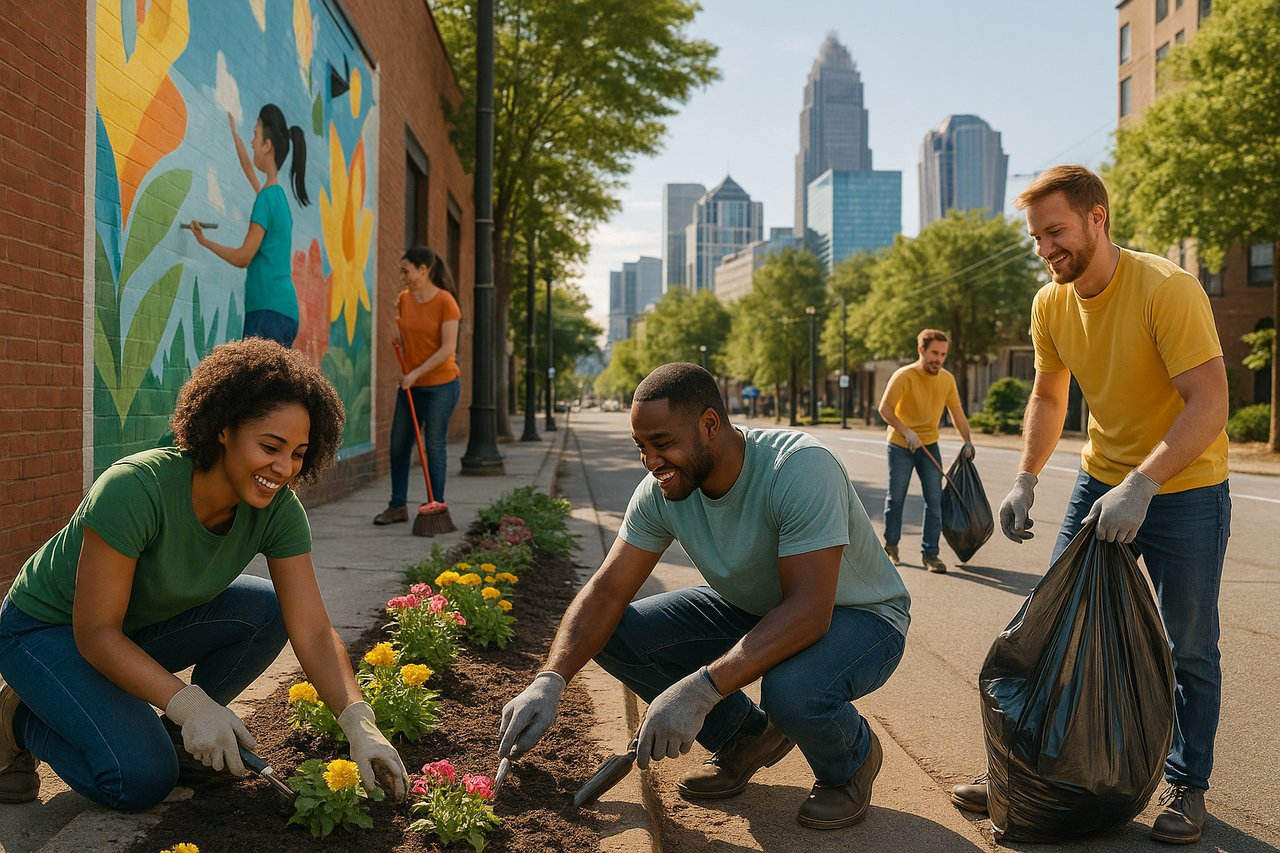
Community Grants for Urban Renewal in Charlotte
Charlotte is reshaping neighborhoods through community grants that fund resident-led urban renewal projects. These grants target public spaces, infrastructure, and housing improvements, creating safer and more welcoming areas. In 2025, the city allocated $230,000 to 16 projects, and the United Way of Greater Charlotte distributed $9 million to 134 organizations addressing poverty and economic mobility.
Key Highlights:
-
Placemaking Grant Program: Awards up to $30,000 for public art, parks, and safety projects.
-
Neighborhood Matching Grants: Provides up to $25,000 for resident-driven initiatives with matching contributions.
-
Community Development Block Grants (CDBG): Federal funding for housing and infrastructure benefiting low-income residents.
Examples include a $25,000 grant for Cameron Valley Pocket Park and a $5,000 grant for a community agriculture project. These programs prioritize grassroots efforts, ensuring funding aligns with local needs.
To apply, select the right grant, prepare detailed plans, secure community support, and submit complete applications. Resources like the Urban Design Center and United Way offer guidance to help applicants succeed. With ongoing funding opportunities, residents can actively shape Charlotte's future.
What Are Community Grants for Urban Renewal
Community Grants Explained
Community grants for urban renewal are funds provided by the City of Charlotte and its partners to support projects like public art, parks, community gardens, and infrastructure improvements. These grants give residents the tools to enhance their neighborhoods and create spaces they can be proud of.
By providing funding, these grants encourage communities to take an active role in shaping their surroundings. They promote collaboration among residents, local artists, and organizations, fostering a sense of ownership. Many of these programs operate as matching grants, meaning recipients must contribute resources like money, volunteer hours, or other in-kind support. This approach not only boosts local involvement but also ensures the longevity of the projects.
Charlotte offers several grant programs aimed at different aspects of urban renewal. For example, the Placemaking Grant Program, run by the Urban Design Center since 2018, has funded everything from murals and pop-up parks to community gardens and wellness spaces. Other options include Neighborhood Matching Grants and Community Impact Grants, each tailored to specific community needs.
Understanding how these grants work helps highlight why urban renewal is so critical for Charlotte.
Why Urban Renewal Matters in Charlotte
Urban renewal is essential for addressing Charlotte’s challenges, such as aging infrastructure, housing shortages, economic inequality, and a lack of inclusive public spaces. These efforts help bridge the gaps between neighborhoods and improve living conditions, especially in underserved areas.
Charlotte’s rapid growth has created stark contrasts between thriving neighborhoods and those that have been left behind. Community grants aim to correct this imbalance by channeling resources into areas that need them most. Programs like the Corridors of Opportunity focus on revitalizing specific neighborhoods through economic investment and development. These projects not only improve public spaces but also enhance safety and public health by creating accessible, well-maintained areas where communities can come together.
Results from Grant-Funded Projects
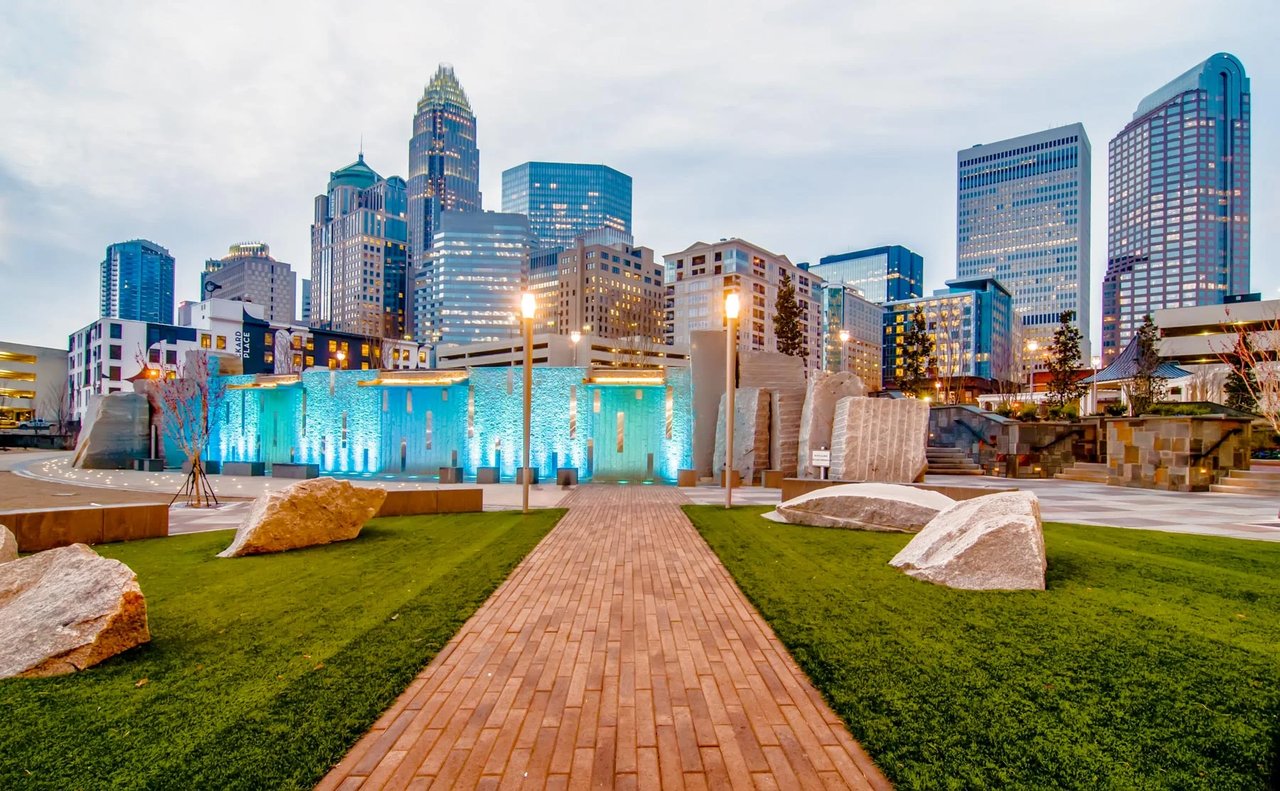
The results of these grant programs are visible throughout Charlotte. They’ve transformed local spaces, increased community engagement, improved safety, and provided access to recreational and wellness amenities. For instance, pocket parks and community gardens have created welcoming spaces for residents, while public art projects have fostered a sense of pride and identity within neighborhoods.
These projects - whether they involve beautifying public spaces, renovating parks, or improving safety - showcase how impactful community grants can be. They create a ripple effect, inspiring further investment, volunteer efforts, and civic pride. When residents see positive changes in their neighborhoods, they’re more likely to get involved in future initiatives, strengthening the cycle of improvement.
|
Grant Program |
Max Award Amount |
Focus Areas |
Example Project (2025) |
|---|---|---|---|
|
Placemaking Grant Program |
$30,000 |
Public spaces, art, placemaking |
Cameron Valley Pocket Park ($25,000) |
|
Neighborhood Matching Grants |
$25,000 |
Capacity, safety, appearance |
Various resident-led projects |
|
United Neighborhoods |
Varies |
Economic mobility, housing, equity |
66 nonprofits funded ($4.9M total) |
Additionally, these grants often fund programming, community events, and technical assistance, helping neighborhoods build the capacity they need for long-term success.
Community Grant Programs Available in Charlotte
Charlotte offers a variety of community grant programs designed to support urban renewal projects. Each program focuses on specific types of initiatives, so it's important to match your project with the right funding opportunity. Here's a breakdown of the three main grant programs available.
Neighborhood Matching Grants
Since 1992, the Neighborhood Matching Grants (NMG) Program has been a cornerstone of Charlotte's community funding efforts. It provides up to $25,000 for projects led by neighborhood-based organizations in designated parts of the city.
What sets this program apart is its matching requirement. Applicants must contribute an equivalent value through cash, volunteer hours, or in-kind donations. For example, if you’re applying for a $10,000 grant, your community must match that amount. The program emphasizes projects that enhance neighborhood identity, safety, and appearance. To apply, be prepared to submit documentation like proof of your organization's status, evidence of community support, a detailed project plan, and a clear strategy for meeting the matching requirement.
Community involvement is a key factor in the competitive review process, so make sure your neighborhood is actively engaged.
Housing Trust Fund Grants
The Housing Trust Fund Grants focus on creating and preserving affordable housing, with a particular emphasis on serving seniors, people with disabilities, and other vulnerable groups [2, 5].
These grants support a wide range of projects, including new construction, property rehabilitation, and supportive housing that integrates social services. Mixed-income developments with affordable units are also eligible. The funding amount depends on the scale of the project. Applications typically require comprehensive financial projections, architectural plans, and evidence of your organization's ability to execute the project successfully.
Community Development Block Grants (CDBG)
The Community Development Block Grants (CDBG) program is Charlotte’s largest source of federal funding for urban renewal efforts. This funding is aimed at benefiting low- and moderate-income residents [5, 9].
CDBG funds can be used for a variety of activities, including housing rehabilitation, public facility upgrades, neighborhood revitalization, and social services. The city oversees the application process, often collaborating with nonprofits and neighborhood groups. Applications usually open at the beginning of the year, and funding decisions are based on community needs and strategic priorities.
Quick Comparison of Grant Programs
Here’s a snapshot of the key details for each program:
|
Grant Program |
Max Award |
Eligible Applicants |
Focus Areas |
Application Period |
|---|---|---|---|---|
|
Neighborhood Matching Grants |
$25,000 |
Neighborhood organizations |
Identity, safety, appearance |
Varies annually |
|
Housing Trust Fund |
Varies |
Nonprofits, developers |
Affordable housing |
Ongoing |
|
CDBG |
Varies |
Local governments, nonprofits |
Housing, infrastructure, services |
Early each year |
Choosing the right grant program involves aligning your project’s goals and scope with the available funding. Success often depends on community support and submitting thorough, well-prepared applications with the required documentation.
How to Apply for Community Grants in Charlotte
Applying for community grants in Charlotte is a straightforward process that involves three key steps. Here's how to navigate it effectively.
Step 1: Choose the Right Grant Program
The first step is finding the grant program that best aligns with your project's goals. Charlotte offers several programs designed to support different types of initiatives.
For neighborhood improvement efforts - like murals, community gardens, or beautification projects - the Placemaking Grant Program is a great fit. If you're working on housing or infrastructure projects, Community Development Block Grants (CDBG) are more suitable, especially for larger initiatives that benefit low- and moderate-income residents. Community-focused projects led by neighborhood groups or small nonprofits might qualify for other funding options.
Looking at past projects can help clarify what each program supports. For example, the Biddleville and Smallwood Community Organization secured $25,000 from the Placemaking Grant Program for the Trade and Solomon Traffic Calming Street Mural project. This initiative shows how traffic safety improvements can also enhance neighborhood identity, making them eligible for placemaking funds.
Once you've identified the right grant, it's time to gather the necessary documents.
Step 2: Collect Required Documents
Most grant applications require similar core documents, so being prepared is crucial. You'll typically need a project proposal, detailed budget, proof of eligibility, and letters of community support.
Community support is particularly important. A letter from a relevant community organization is often required. Since applications are reviewed by panels of local residents and volunteers, showcasing strong neighborhood backing is critical. Collect letters from residents, document community meetings or surveys, and outline plans for volunteer involvement.
When preparing your budget, include all anticipated costs, such as materials, labor, and permits. Provide detailed cost estimates with supporting documents, and ensure your budget aligns with your project's goals. If you're applying for programs like the Neighborhood Matching Grants, you'll also need to show how you plan to meet the matching requirement, whether through cash, volunteer hours, or in-kind contributions.
Depending on the grant, additional documents may be required, such as site plans, architectural drawings, or compliance documentation for federal guidelines. Be sure to check the specific requirements for each program on their respective websites. Missing documents can disqualify your application, so double-check everything.
Step 3: Submit Your Application
With your program selected and documents in order, focus on submitting a complete and polished application. This step is crucial for advancing community-driven urban renewal efforts in Charlotte.
Deadlines vary by program. For example, the Placemaking Grant typically opens annually, while CDBG applications are due in January for the next fiscal year. Be sure to confirm the timeline for your chosen grant.
Submission methods often involve online portals or mailing your application. The City of Charlotte's Placemaking Hub is a valuable resource, offering toolkits, eligibility criteria, and application timelines.
If you need help during the process, support is available. Program staff can answer questions about eligibility and application requirements. The City of Charlotte provides resources like grant guidelines and FAQs on its official website. Additionally, organizations like United Way of Greater Charlotte offer technical assistance and capacity-building support for grassroots groups.
For property development or neighborhood revitalization projects, consulting with local real estate experts can strengthen your proposal. Their insights can provide valuable market data and development strategies.
Before you submit, review your application carefully to ensure all requirements are met. Common mistakes include incomplete documentation, unclear objectives, insufficient evidence of community support, and missing deadlines. A thorough review can significantly boost your chances of success.
How to Write a Strong Grant Application
A strong grant application lays out your project clearly, presents a realistic budget, and showcases solid community involvement. These are key ingredients for securing funding to support Charlotte's urban renewal projects.
Define Clear Project Goals
The foundation of any grant application is well-defined project goals. Reviewers want to see specific, measurable objectives that address real needs in the community. Avoid being vague - clarity and precision are your best friends here.
Start with a short, focused purpose statement that ties a big-picture vision to actionable steps. For example, you might propose transforming public spaces with initiatives like murals or pop-up parks.
Your objectives should be both measurable and achievable. Instead of overpromising, focus on one tangible improvement you can deliver. Use data and real-world examples to back up your goals. For instance, the Hidden Valley Community Association Senior Gardeners project strengthened their case by highlighting specific benefits for local seniors, clearly showing who would be served and how.
Be sure to connect your objectives to Charlotte's urban renewal priorities. Projects aligned with city goals - whether related to traffic safety, community engagement, or beautification - tend to stand out. A great example is the Trade and Solomon Traffic Calming Street Mural, which secured $25,000 by addressing both safety concerns and neighborhood identity.
Create a Detailed Budget
Once your goals are set, the next step is to develop a precise, itemized budget. A clear budget not only shows your financial planning skills but also builds trust with grant reviewers.
Break down every expense - materials, labor, permits, and equipment. Use actual vendor quotes instead of rough estimates. For example, the Art4Ward: Nations Ford Beautification project strengthened its application by listing specific costs for mural supplies and artist fees, which reassured reviewers about their financial accuracy.
Make sure your budget fits within the grant's funding limits. For instance, Neighborhood Matching Grants cap funding at $25,000, so requesting $30,000 would automatically disqualify your application. Research the grant's funding range carefully and plan your project accordingly.
If the grant requires matching funds or in-kind contributions, explain exactly how you'll meet this requirement. Highlight volunteer hours, donated materials, or cash contributions from community members. Show how every budget item ties directly to your project's goals - reviewers want to see a clear connection between your spending plan and the impact you aim to achieve.
Accuracy is crucial. Include a small contingency (5-10%) for unforeseen expenses, but avoid inflating your numbers. Grant providers are experienced and will spot unrealistic budgets. The Cedar Grove Learning Landscape earned $30,000 because their budget for playground equipment and installation was detailed, transparent, and realistic.
If your project will have ongoing costs, such as maintenance or operations, address how you plan to manage those expenses. While most grants focus on initial implementation, showing you’ve thought about long-term sustainability adds credibility to your plan.
Show Community Participation
Finally, demonstrate how your project is rooted in community involvement. Grant reviewers want to see that your project has strong local support and participation.
Start by securing letters of support from relevant organizations. Contact neighborhood associations, local nonprofits, or resident groups early in your planning process to build these relationships.
Show how residents have been involved in shaping your project. For example, the United Way involved 63 residents and 107 volunteers in their funding decisions, setting a strong example of community alignment. Document meetings, surveys, or other ways residents have contributed to the planning process.
Outline the specific roles community members will play in bringing your project to life. Projects like Community ArtCade and STEM Skool Learning Garden stood out by highlighting partnerships with local organizations and volunteers. Explain how many people will participate, what they’ll contribute, and how their involvement will continue after the project is completed.
Provide evidence of broad community support beyond just your organizing group. This could include photos from community meetings, petition signatures, or social media engagement. Since grant applications are often reviewed by panels of local residents, demonstrating neighborhood backing is especially important.
For property development or neighborhood revitalization projects, consider including insights from local experts. For instance, Shawn Gerald’s expertise in Charlotte neighborhoods and urban renewal challenges could help strengthen your application by providing market data and highlighting additional community benefits that align with your goals.
Resources and Support for Urban Renewal Projects
When preparing your grant application, having the right resources can make all the difference. Below are some key tools and support systems to help you strengthen your urban renewal efforts.
Grant Program Websites
To enhance your application strategy, explore these official resources for detailed funding information and guidance. The Urban Design Center website offers toolkits, guidelines, and examples of successful past projects, providing a solid foundation for your planning efforts.
If your focus is on housing-related urban renewal, the North Carolina Department of Commerce website is an excellent resource. It provides comprehensive details about Community Development Block Grants (CDBG), which can fund housing development and infrastructure projects.
Another helpful resource is the United Way of Greater Charlotte website, which highlights community investment opportunities and showcases grant-funded initiatives in the region.
These websites often include FAQs, contact forms, and links to technical assistance, making it easier to navigate the sometimes complex application process.
Contact Information for Help
Need extra guidance? Reach out to grant administrators for personalized support. For instance, the Urban Design Center, which oversees Charlotte's Placemaking Grant Program, offers consultations to help applicants refine their proposals. Their contact details, including phone numbers and email addresses, are listed on the city's grant program pages.
The United Way of Greater Charlotte also provides technical assistance, especially for grassroots organizations that are new to grant writing. Additionally, the Urban Design Center hosts workshops, webinars, and one-on-one sessions to help applicants define project goals, craft realistic budgets, and demonstrate community support.
For those applying for Community Development Block Grants, contact information for both federal and local administrators is typically available on city and county websites as application periods open.
Real Estate Guidance from Shawn Gerald
If your project involves property acquisition or development, real estate expertise can be invaluable. Urban renewal projects often require navigating complex issues, such as identifying suitable properties and analyzing local market trends.
Charlotte-based real estate expert Shawn Gerald offers consultations to help assess site suitability, understand market dynamics, and determine development feasibility. His knowledge is especially beneficial for projects involving property purchases, renovations, or new developments. Whether you're planning a community garden or a pocket park, Shawn can evaluate potential sites and provide market data to bolster your grant application.
"My top priority is to serve my clients to the best of my ability. My goal is to provide valuable service to the community I serve in any way that I can."
Beyond real estate advice, Shawn’s extensive network connects clients to additional financial resources, which can be crucial for projects needing funding beyond the grant amount. His personalized consultations ensure your real estate decisions align with both your project goals and grant criteria, helping you maximize the impact of your funding on neighborhood revitalization.
Conclusion: Using Grant Opportunities to Build Better Communities
Charlotte's community grants are making a real difference in neighborhoods, strengthening bonds, and creating better living spaces. For instance, in 2025, the United Way of Greater Charlotte allocated $17.9 million to community development efforts. On top of that, the city's Placemaking Grant program awarded $230,000 to 16 community-led projects. These numbers highlight the visible impact these programs are having across the city.
Take the Cameron Valley Pocket Park project as an example. With $25,000 in funding, this initiative turned an idea into a temporary outdoor gathering space. Projects like this don’t just improve physical spaces - they bring people together and spark lasting, positive change.
Community involvement is at the heart of these successes. A notable 75% of nonprofits funded by the United Way in 2024 continued their work into 2025, showing how sustained participation leads to meaningful outcomes. When residents are involved in planning and executing projects, the results better align with what neighborhoods truly need.
The variety of funded projects also reflects the city’s commitment to addressing diverse needs. From traffic-calming murals and community gardens to pop-up parks, these initiatives tackle everything from pedestrian safety to creating more green spaces. No matter the challenge - be it safer streets, more greenery, or dynamic programming - there’s likely a grant program designed to help.
Looking ahead, Charlotte remains dedicated to community-driven urban renewal. With $1,000,000 in anticipated CDBG funding for FY 2025-2026 and continued Placemaking opportunities, there’s plenty of potential for growth. Success will depend on clear goals, detailed budgets, and strong community support.
Now is the time to take action. By understanding available grant programs, rallying community support, and submitting strong applications, you can help shape the future of your neighborhood. The resources are there - use them to create a stronger, more connected Charlotte.
FAQs
How can Charlotte residents make sure their urban renewal projects meet the goals of local community grant programs?
To make sure your urban renewal project aligns with the goals of Charlotte's community grant programs, start by carefully reviewing the program's guidelines and eligibility requirements. These documents usually detail the types of initiatives the grants aim to support - things like improving public spaces, boosting community involvement, or upgrading neighborhood infrastructure.
As you plan your project, keep the focus on addressing specific community needs and showing a clear, positive impact. Your application should include detailed plans, a well-thought-out budget, and measurable goals. Collaborating with local resources, such as community leaders or subject matter experts, can also help fine-tune your project to better match the program’s objectives.
What are some examples of successful urban renewal projects funded by Charlotte's community grants, and how have they benefited local neighborhoods?
Charlotte's community grants have played a key role in breathing new life into neighborhoods through urban renewal projects. These grants have backed efforts like building community gardens, rejuvenating public parks, and restoring historic landmarks. Such initiatives do more than just beautify the city - they help bring people together, boost property values, and create safer, livelier spaces for everyone to enjoy.
Curious about how these projects might impact property values or shape neighborhood growth? A local real estate expert can provide valuable insights tailored to your specific interests.
How can neighborhood organizations in Charlotte prepare a strong application for community grants supporting urban renewal?
To craft a strong application for a community grant in Charlotte, neighborhood organizations should focus on a few important steps. Start by clearly outlining the project’s goals and explaining how it will directly benefit the community. Be specific about the challenges your project aims to address and the tangible results you hope to achieve.
Make sure to gather all the required documentation, including detailed project plans, budgets, and any necessary permits. Strong applications often stand out by showcasing community support, so consider including letters of endorsement or proof of collaboration with local partners and stakeholders. Lastly, double-check that your application is complete, free of errors, and submitted before the deadline. These steps can significantly boost your chances of securing funding for your urban improvement efforts.